
Dealer Guide to Bankruptcy Outreach That Converts
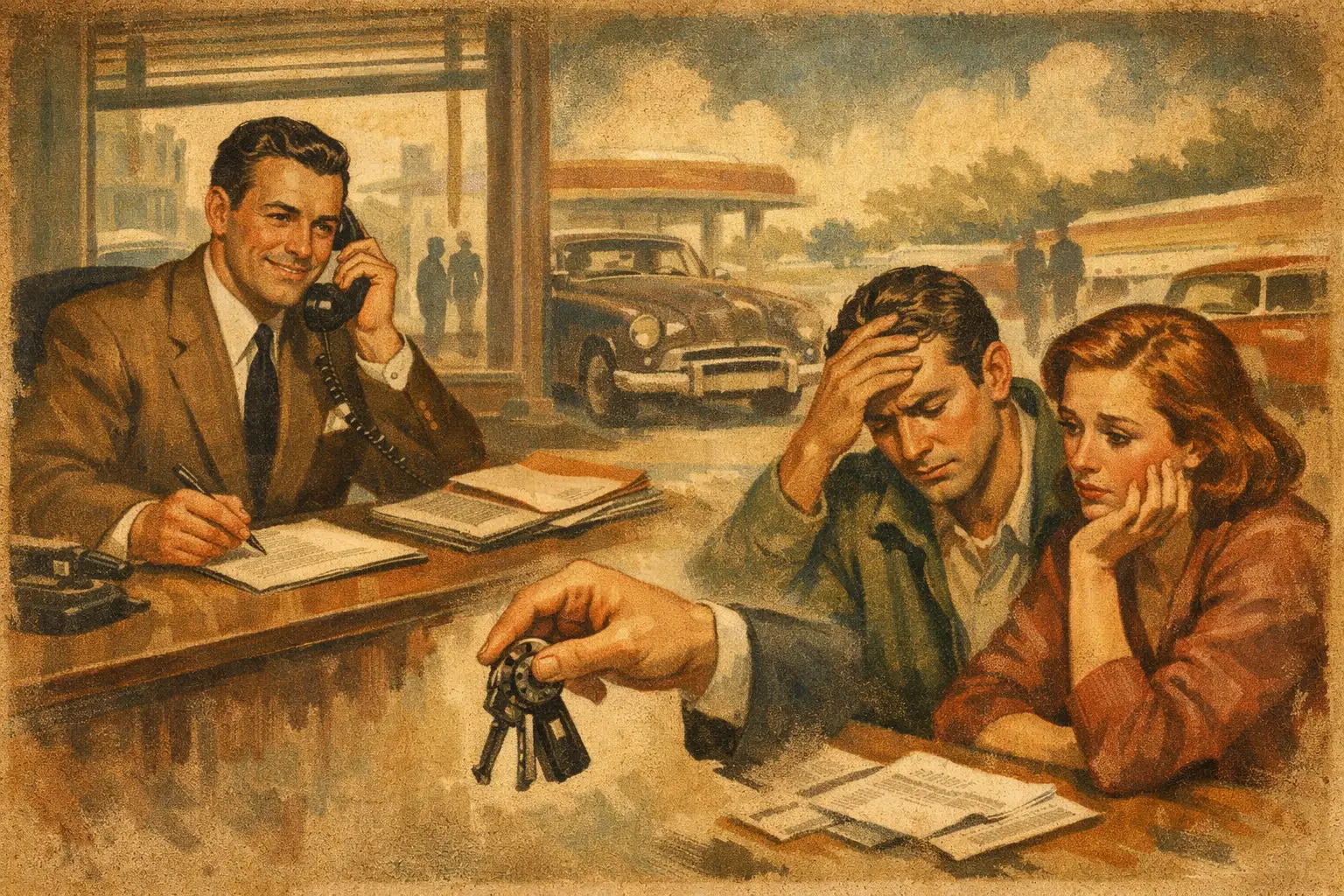
A dealer guide to bankruptcy outreach starts with one hard truth: a bankruptcy list is not a lead source until someone contacts the consumer quickly, clearly, and consistently. Dealerships can buy names all day long. That does not create appointments. The work is in finding accurate contact information, matching the message to the customer’s bankruptcy stage, and following up before another dealer gets there first.
For many stores, that work dies in the BDC. Raw records hit an already crowded call queue, numbers are bad, agents are unsure what to say, and follow-up becomes inconsistent. The result is a lead source that gets labeled “low quality” when the actual issue was execution. Bankruptcy consumers are often finance-motivated vehicle buyers. They need a dealership that understands their position, has inventory, and can give them a realistic next step without making promises nobody can keep.
Why bankruptcy outreach is different
Bankruptcy buyers do not move through one uniform buying timeline. A consumer who filed this week has different concerns than a Chapter 13 participant or a customer discharged yesterday. Treating every record with the same generic credit-repair message produces weak response rates and creates unnecessary friction.
The opportunity is timing. A consumer may need transportation to keep working, manage family obligations, or replace an unreliable vehicle. But they may also be cautious about credit, skeptical of dealership advertising, and concerned about being embarrassed or pressured. Your outreach must make the next step feel practical: a confidential conversation, a review of available options, and a clear path to a vehicle if the numbers work.
That is why the first-contact window matters. When verified data and outreach are handled daily, contact can begin within 24 to 72 hours of the relevant event. Wait a week or two for a BDC team to sort a spreadsheet, and the prospect may already be working with another store, or may have decided no dealer can help.
The dealer guide to bankruptcy outreach: start with the right records
Bankruptcy outreach is only as useful as the records behind it. The source should identify consumers throughout the process, not simply provide occasional discharge lists. Each stage can support a different campaign and buying conversation.
Newly filed cases can create immediate need, especially when a customer’s current vehicle is unreliable or their situation changed quickly. Section 341 meeting participants are further along in the process and may be actively planning what comes next. Active Chapter 13 filers can be strong prospects when they have payment stability and understand the approval steps involved. Recent discharges often present a direct opportunity because the consumer is ready to rebuild and may have delayed a vehicle purchase until the case was resolved.
A store should also know whether contact information is verified and how often it is refreshed. A large file with stale phone numbers is not scale. It is a labor problem handed to your BDC. Accurate mobile numbers, valid addresses, and daily record handling allow outreach to begin while the consumer is still responsive.
Territory exclusivity matters just as much. If the same bankruptcy record is sold to every dealer in the market, your message becomes one more offer in a pile of identical offers. Exclusive territory protects response rates, protects gross opportunity, and gives your team a real chance to build a relationship before the buyer is burned out on calls.
Contact first, then send warm responses to the BDC
The operational model should be simple. A specialized outreach team handles the prospecting work. Your dealership team handles people who respond.
That means the outreach provider sends the email, SMS, and direct-mail campaigns, monitors responses, and begins the conversation using dealership-approved messaging. The BDC receives a prospect who has engaged, asked for information, or indicated interest in speaking with the store. Instead of making hundreds of blind calls to raw records, agents can focus on fast replies, qualification, appointment setting, and show confirmation.
This is not a minor difference. It changes how your BDC spends its day. A team that is buried under unworked raw data loses speed on internet leads, equity-mining opportunities, and service-drive prospects too. A team that receives warm bankruptcy responses can use its strongest skill set: getting an interested customer into the showroom or on a serious phone conversation.
The handoff must be tight. When a consumer responds, the BDC should know the campaign source, the bankruptcy stage when appropriate, the offer that prompted the response, and the preferred contact method. A delayed or generic reply wastes the work that created the response in the first place.
Build messages around confidence, not hype
Bankruptcy consumers can spot a vague “everyone approved” claim immediately. It sounds like every other ad, and it can create expectations your finance office cannot meet. Better messaging is direct, respectful, and specific about the available next step.
Lead with the dealership’s ability to review options for customers rebuilding after bankruptcy. Mention the type of help you can provide, such as selecting payment-conscious inventory, working with lenders that consider post-bankruptcy buyers, or discussing a trade-in situation. Then ask for a simple response: text back, call, or schedule a confidential review.
Avoid language that implies guaranteed financing, guaranteed rates, or guaranteed approval. The deal still depends on income, residence, down payment, vehicle selection, lender guidelines, and the customer’s complete credit profile. Clear language protects the dealership and attracts buyers who are ready for a real conversation rather than a misleading promise.
A multichannel approach usually performs better than relying on one touch. Email gives the customer time to consider the offer. SMS can drive a quick reply. Physical direct mail adds credibility and reaches consumers who ignore digital messages. The right mix depends on market density, local competition, the stage of the bankruptcy file, and the dealership’s offer.
Train the BDC for the conversation that follows
A warm response is not an appointment by itself. Your BDC needs a simple, confident process for handling bankruptcy inquiries without sounding scripted or judgmental.
The first job is acknowledgment. Thank the customer for reaching out, confirm the best way to communicate, and establish that the dealership works with customers rebuilding their credit. The second job is discovery. Learn what vehicle they need, whether they have a trade, what payment range they are considering, and when they need transportation. The third job is direction. Give the customer a specific reason to take the next step, whether that is an in-store appointment, a phone consultation, or a request to submit basic information for review.
Do not let agents over-qualify too early. A customer may not know every detail of their case, and the BDC should not attempt to make credit decisions. Their role is to create trust, capture the necessary information, and move the customer into the dealership’s defined sales and finance process.
Objection handling should be honest. If a prospect says, “I thought I had to wait,” the response is not a blanket yes or no. It is, “Every situation is different, but we can review your options and tell you what may be available.” That preserves credibility and keeps the conversation moving.
Measure the pipeline, not just the list size
A bankruptcy campaign should be managed like any other profit center. Track records contacted, deliverability, response rate, speed to first human reply, appointments set, appointments shown, credit applications, approvals, deliveries, and gross. If your provider performs the outreach, review those numbers together by campaign and bankruptcy stage.
The most useful metric is not how many names entered the system. It is how many responsive opportunities reached the BDC and how many became funded deals. A smaller, exclusive market with accurate contacts and disciplined follow-up can outperform a huge nonexclusive list that sits untouched.
Also review the points where deals stall. If responses are strong but appointments are weak, the BDC may need better scripts or more aggressive same-day follow-up. If appointments show but approvals are low, examine inventory, lender mix, required down payments, and how expectations are being set. If deals approve but do not deliver, the sales process may be failing after the customer arrives.
Keep compliance and reputation in the process
Bankruptcy outreach requires disciplined handling. Dealerships should use messaging, contact practices, consent standards, suppression procedures, and record retention that fit applicable federal, state, and local requirements. SMS, email, and direct mail do not carry identical rules, and requirements can change by market and campaign type.
Beyond legal compliance, reputation matters. These customers are often navigating a difficult period. Outreach should be respectful, discreet, and free of fear-based language. The dealership does not need to exploit the situation to earn the appointment. It needs to show that it has a workable process and is prepared to treat the customer professionally.
The stores that win this category are not the ones that collect the most bankruptcy data. They are the ones that make first contact fast, keep their message credible, and give their BDC warm conversations worth working. When the outreach is done for you, your team can spend its time where it pays: setting appointments, structuring realistic deals, and helping motivated buyers get back on the road.
Get new dealer playbooks by email
One short email when we publish. No spam.
Want yesterday's discharges contacted for you?
Check whether your territory is still available.
Request a Free Market Preview