
Dealership Appointment Setting for Bankruptcy Leads
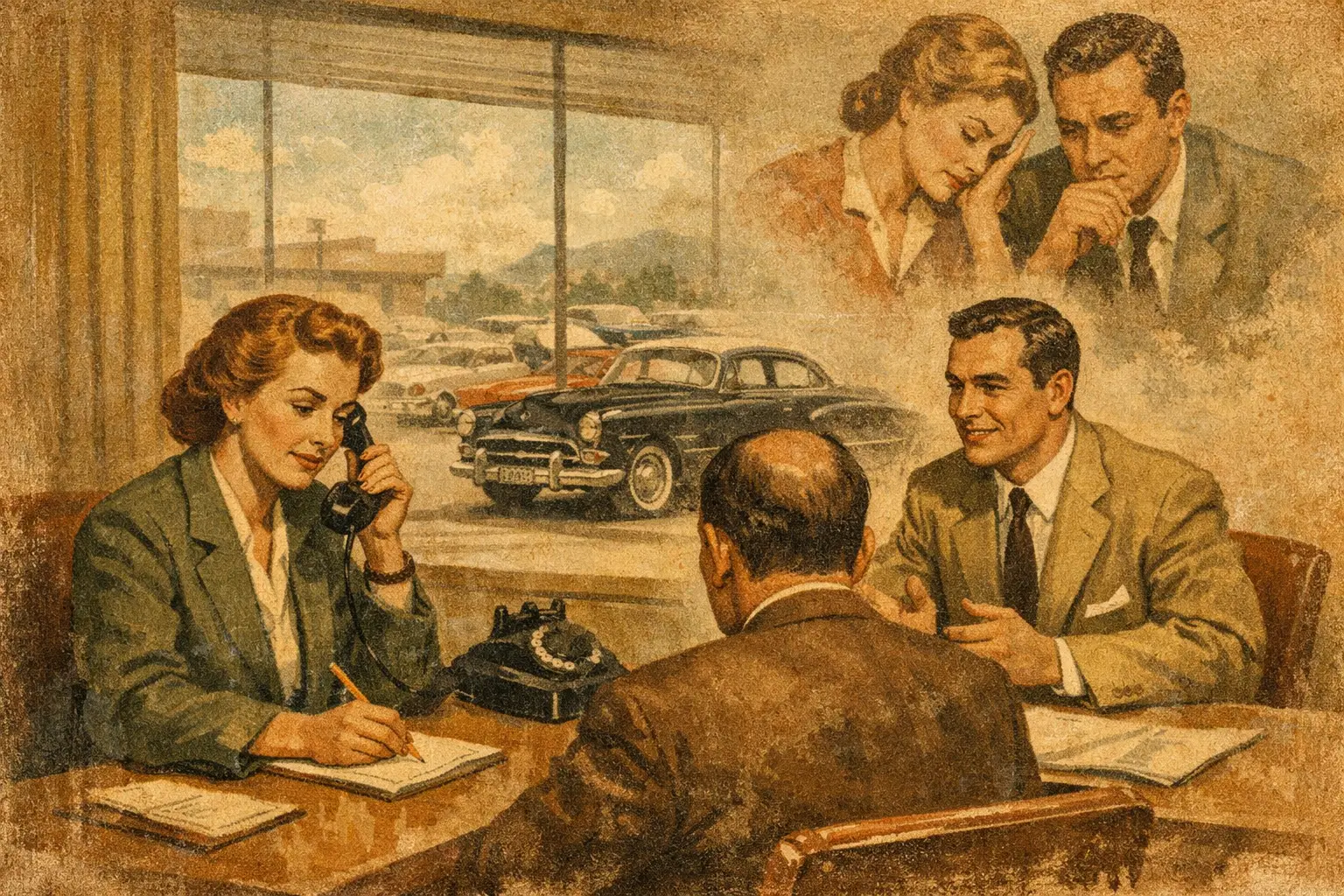
A bankruptcy lead is not an appointment. It is not even necessarily a usable phone number. Dealership appointment setting for bankruptcy leads becomes profitable only when someone verifies the contact, reaches out quickly, earns a response, and hands your BDC a customer who is ready to discuss transportation and financing.
That distinction matters because most dealerships do not lose these opportunities at the desk. They lose them between the data file and the first meaningful conversation. Raw records pile up, calls are delayed, texts are inconsistent, and a shopper who needed a vehicle this week is already talking to another store.
Why Bankruptcy Data Alone Does Not Produce Appointments
Bankruptcy consumers can be highly motivated vehicle buyers, but they are not all at the same point in the process. A newly filed consumer may be focused on stabilizing transportation. Someone attending a Section 341 meeting may be researching options. An active Chapter 13 filer may need to replace an unreliable vehicle. A recent discharge can create a clear opportunity to reenter the market with an auto loan.
Treating every record the same is where dealerships waste money. The message, offer, timing, and follow-up need to match the consumer's stage. A generic "we can help" blast does not create confidence with a shopper who has heard every high-risk financing promise before.
The other problem is contactability. A bankruptcy record may be public, but that does not make it current, exclusive, or ready for a BDC agent to call. Addresses change. Phone numbers disconnect. Consumers receive competing messages from stores that bought the same list. Your team can spend hours sorting records and still miss the customers who would have responded that day.
The operational answer is simple: separate lead acquisition from appointment production. One team handles verified data, targeted outreach, response management, and persistent follow-up. Your BDC handles the warm responses, qualifies the opportunity, confirms the appointment, and prepares the handoff to sales and finance.
The First 24 to 72 Hours Set the Pace
Speed-to-lead matters in every dealership channel. It matters more with bankruptcy prospects because transportation needs can be immediate and the customer may be actively searching for a solution. The first dealership to make credible contact has the best chance to control the conversation.
That does not mean sending a careless text minutes after a filing appears. It means having a disciplined process that uses verified information, appropriate messaging, and a contact cadence built for response. Email can introduce the offer and establish legitimacy. SMS can prompt a quick reply when used with the right permissions and process. Direct mail gives the customer a physical reminder they can review privately and bring into the store.
The channels work together. A customer may ignore the first email, recognize the dealership name from a mail piece, then reply to a text days later. If outreach stops after one attempt, the dealership has paid for data without giving the prospect a real chance to engage.
The Goal Is a Conversation, Not a Scripted Close
A bankruptcy consumer does not need a BDC agent reciting a credit-sales script. They need a direct answer to a practical question: can this dealership help me get dependable transportation without wasting my time?
The opening conversation should establish interest, identify the transportation need, and set realistic expectations. Is there a current vehicle problem? Is the customer working? Do they have a trade? Are they looking for a payment range or a specific type of vehicle? The BDC does not need to underwrite the deal. It needs enough context to schedule a serious appointment with the right store team ready.
Avoid promising approval, rate, payment, or vehicle availability before the deal has been reviewed. Clear expectations protect customer trust and prevent no-show appointments created by overpromising.
A Better Workflow for Dealership Appointment Setting for Bankruptcy Leads
The best workflow keeps the dealership focused on its highest-value job: selling cars. It starts with daily access to verified bankruptcy-market contact data rather than an aging bulk list. From there, outreach begins while the opportunity is fresh, using messages tailored to the consumer's likely point in the bankruptcy timeline.
When a prospect responds, the response should not sit in a shared inbox waiting for a busy manager to notice it. It should be routed quickly to a trained appointment setter or the dealership BDC, with the lead source and prior contact history available. That context prevents the customer from having to repeat why they responded and gives the agent a more natural opening.
The appointment process then needs the same discipline as any high-performing internet lead process. Confirm the customer's preferred time, send a clear confirmation, establish what they should bring, and make sure the sales desk knows the customer is arriving from a bankruptcy campaign. A warm lead can still go cold when the store treats the appointment like a walk-in with no preparation.
Finally, the dealership needs a no-show recovery process. Some bankruptcy shoppers are balancing work schedules, transportation problems, court requirements, and family obligations. A missed appointment is not automatically a dead lead. Prompt, respectful follow-up can recover a meaningful share of those customers, especially when the message focuses on solving the transportation problem rather than pressuring them to buy immediately.
Protect Your BDC From Low-Value Busywork
A BDC that spends its day dialing unverified records is not building pipeline. It is performing list cleanup. That work has a cost beyond payroll: agents become discouraged, response times slow down on better opportunities, and managers lose confidence in the channel.
The right outsourced model changes the handoff. The provider owns the heavy lifting of identifying prospects, validating contact data, sending outreach, managing initial responses, and maintaining follow-up. Your BDC only handles warm responses and appointment conversations.
That does not mean the dealership gives up control. The dealership should still approve messaging, monitor appointment quality, define geographic boundaries, and hold the process accountable for results. Exclusivity is especially important. If multiple dealers are contacting the same bankruptcy prospects with the same offer, your advantage disappears before your BDC ever gets the lead.
REM Business Solutions was built around that operating model: verified bankruptcy audiences, multichannel contact work, exclusive territory, and a warm-response handoff designed to keep dealership teams selling instead of chasing raw data.
Compliance and Customer Trust Are Part of the Process
Bankruptcy marketing requires more care than simply pulling public records and pressing send. Your process should account for federal and state communication rules, consent requirements where applicable, calling and texting restrictions, suppression practices, and truthful advertising standards. Have qualified legal and compliance professionals review the campaigns and the vendors supporting them.
The customer experience matters just as much. Bankruptcy is personal. Messages should be respectful, clear, and focused on transportation options. Avoid language that sounds predatory, misleading, or overly familiar with a consumer's financial situation. A dealership can be direct about serving customers rebuilding credit without making the customer feel targeted or exposed.
Trust also improves show rates. When the message accurately describes the next step and the BDC follows through with the same tone, customers arrive expecting a professional conversation rather than a bait-and-switch.
Measure Appointments, Shows, and Funded Deals
Do not judge a bankruptcy campaign by the number of records delivered or emails sent. Those are activity measures, not dealership outcomes. Track contact rate, response rate, warm handoffs, appointments set, appointment show rate, credit applications, deliveries, and funded deals.
Then look at speed. How long does it take for a new prospect to receive first outreach? How quickly does a positive response receive a human follow-up? How many attempts occur before a lead is closed out? The answers reveal whether the process is producing demand or allowing demand to expire.
There is no universal close rate because lender relationships, inventory, pricing, geography, campaign timing, and BDC execution all affect results. But a dealership should expect a transparent view of the funnel. If a provider cannot show where prospects respond, book, show, and buy, the dealership cannot improve the system.
A dependable bankruptcy appointment channel is built through repetition, not a one-time list purchase. Keep the contact window tight, keep the message credible, and make sure every warm response reaches a prepared BDC agent while the customer is still looking for a way to get back on the road.
Get new dealer playbooks by email
One short email when we publish. No spam.
Want yesterday's discharges contacted for you?
Check whether your territory is still available.
Request a Free Market Preview