
How to Handle Bankruptcy Objections at Your Dealership
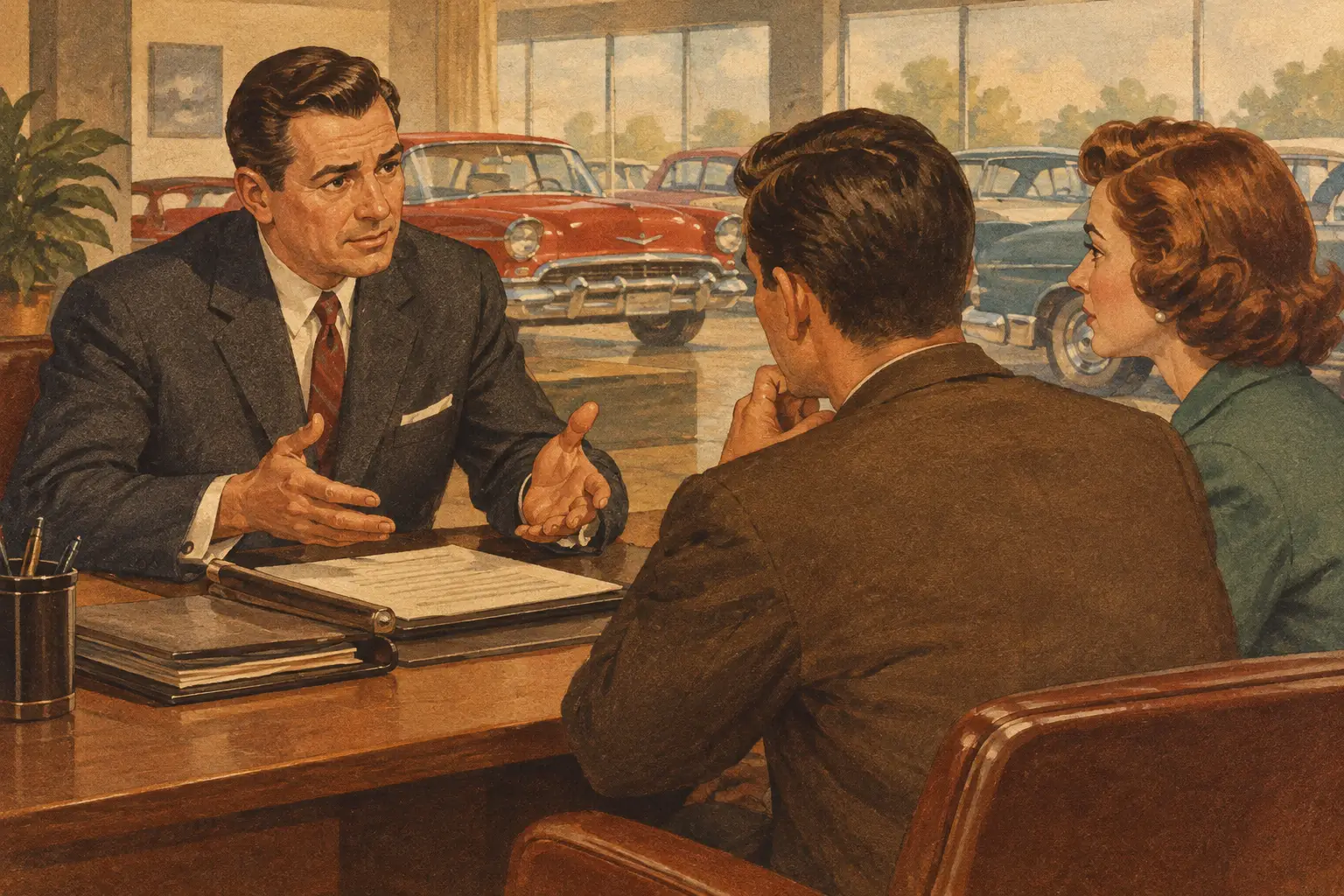
A bankruptcy lead does not need a speech about credit repair. They need a clear answer to one question: “Can I get a vehicle, and can I afford it?” Knowing how to handle bankruptcy objections means removing uncertainty without making promises your dealership cannot keep. The best BDC teams move these conversations toward a realistic appointment quickly, respectfully, and with the right finance process behind them.
The opportunity is real. Many bankruptcy consumers need dependable transportation for work, family, medical appointments, and daily life. But they have also heard “no,” received misleading offers, or worried they will be embarrassed at the dealership. A generic script will not overcome that. Fast response, accurate information, and a consistent handoff to a trained sales and finance team will.
Start by Understanding What the Objection Really Means
Most bankruptcy objections are not final refusals. They are risk signals. The customer is trying to protect their time, their privacy, and what is left of their confidence after a difficult financial event.
When a prospect says, “I don’t think I can get approved,” they may be asking whether your store works with buyers in their bankruptcy stage. When they say, “I’m not ready,” they may be worried about a down payment, a trustee payment, insurance costs, or a credit inquiry. When they say, “Just send me some prices,” they often want proof that the offer is legitimate before they share more information.
Your BDC should not argue with any of that. Acknowledge the concern, clarify the real barrier, and offer one sensible next step. The goal of the first exchange is not to structure a deal by text. It is to earn an appointment with a customer who understands what the visit is for.
How to Handle Bankruptcy Objections Without Overpromising
The fastest way to lose a bankruptcy customer is to promise approval, a payment, or a vehicle before reviewing the full situation. The second fastest way is to sound vague.
Use direct language that sets expectations: “We work with customers at different points in the bankruptcy process. Approval options depend on your current situation, income, vehicle selection, and lender requirements. The best next step is a short, private appointment so our team can review the options available to you.”
That response does three jobs. It confirms that your dealership is willing to work with the customer. It avoids a guarantee. And it gives the shopper a reason to take action now.
“I Just Filed. Can I Buy a Car?”
This question requires care because timing and court requirements vary. Do not turn your BDC into a legal advisory desk. Instead, explain that the dealership can review vehicle and financing options, while the customer may need to confirm requirements with their attorney or trustee before completing a purchase.
A practical response is: “We regularly speak with customers who are early in the process. We can help you identify a vehicle and financing path, then you can confirm any required steps with your attorney or trustee. Would a quick appointment today or tomorrow work better?”
This is helpful without crossing the line into legal advice. It also prevents the lead from going cold while they try to figure out the entire process alone.
“My Credit Is Too Bad”
Avoid the temptation to counter with “We can get anyone approved.” Experienced buyers know that line, and they do not trust it.
Say: “Your credit profile is one part of the review, but it is not the only part. Income, residence, vehicle choice, down payment, and where you are in the bankruptcy process can all affect available options. Let’s get you in front of the right person so you can see real numbers instead of guessing.”
The key is shifting the customer from an assumed rejection to a qualified review. You are not selling false hope. You are offering an accurate process.
“I Don’t Have Any Money Down”
This is one of the most common objections, and it should never be handled with an instant answer unless your finance department has already established the deal structure. Down payment needs vary by lender, vehicle, income, bankruptcy status, and trade equity.
A better response is: “Down payment requirements can vary. We will look at the strongest options based on your complete situation and show you what is realistic before you make any decisions. Can you come in this afternoon, or would tomorrow morning be easier?”
Notice what this does not say. It does not claim zero down. It does not pressure the customer to bring money they do not have. It makes the appointment the path to a real answer.
“I Need to Talk to My Attorney or Trustee”
Agree with the customer. Their attorney or trustee may be an essential part of the purchase process, particularly in an active bankruptcy case.
Respond with: “That makes sense. We can help you narrow down a vehicle and provide the details you may need for that conversation. Let’s set a time to review options so you have accurate information when you speak with them.”
This keeps the dealership involved without interfering with the customer's legal relationship. It also gives the prospect a reason to continue moving forward instead of disappearing after the first conversation.
“I’m Just Looking” or “Send Me Information”
A bankruptcy shopper may be testing whether your outreach is real. They may also be hesitant to visit because they expect a hard sell. Meet the request, then ask for a low-pressure commitment.
Send a concise message that explains your dealership can review options based on their situation. Then say: “I can send a few starting points, but the most accurate answer will come from a quick private review. We can usually make that easy and efficient. What time works best for you?”
Do not bury them in inventory links or long email copy. The customer needs confidence in the process, not twenty vehicle photos that may not fit their approval.
Speed-to-Lead Is Part of Objection Handling
A lead contacted within 24 to 72 hours is easier to engage than one called after the customer has received five competing offers or decided no dealer can help. Response speed communicates competence. Slow follow-up communicates that the dealership is treating the buyer like a discarded record on a list.
That is why raw bankruptcy data alone is not a complete strategy. Someone has to verify contact information, send the first message, make follow-up attempts, answer questions, and identify the consumers ready to talk. When your internal BDC is expected to do all of that on top of its existing internet leads, service calls, and unsold follow-up, bankruptcy opportunities can be missed.
REM Business Solutions handles the outreach work so dealership BDC teams can focus on warm responses, appointment confirmation, and showroom execution. That distinction matters. Your team should spend its time having productive conversations with responsive prospects, not chasing disconnected numbers or trying to build a follow-up system from scratch.
Give Your BDC a Simple Conversation Framework
The best bankruptcy calls are structured, but they should not sound scripted. Train agents to follow a practical sequence: acknowledge the concern, identify the customer’s goal, set realistic expectations, and ask for the appointment.
For example: “I understand why you would want to make sure there is a real option before coming in. Our team works with customers in different credit situations, including bankruptcy. We would need to review your income, timing, and vehicle needs to give you an accurate answer. Would you prefer to stop in after work or tomorrow morning?”
Keep the questions limited in the first contact. Ask what vehicle type they need, whether they have a trade, their preferred timing, and the best way to reach them. Do not interrogate the customer over text. Detailed financial collection belongs in a secure, compliant dealership process.
Protect the Experience From First Contact to Delivery
Handling objections well is not only about the words used by the BDC. The experience must match the promise once the customer arrives. If the appointment was positioned as private, prepared, and respectful, the store needs a trained sales representative and finance process ready to deliver that experience.
Make sure the customer is not asked to repeat their story to three people. Confirm their appointment promptly. Have a clear process for active Chapter 13 customers and know when documentation or attorney and trustee coordination may be required. Most importantly, avoid treating bankruptcy as a reason to push an unsuitable vehicle or payment.
A buyer who feels respected is more likely to provide the information needed for a real deal. A buyer who feels judged will leave, ignore follow-up, and tell others that your dealership was no different from the rest.
The strongest bankruptcy pipeline is built one honest appointment at a time. Respond quickly, speak plainly, avoid guarantees, and give every prospect a clear next step. That is how an objection becomes a conversation, and a conversation becomes a funded deal.
Get new dealer playbooks by email
One short email when we publish. No spam.
Want yesterday's discharges contacted for you?
Check whether your territory is still available.
Request a Free Market Preview